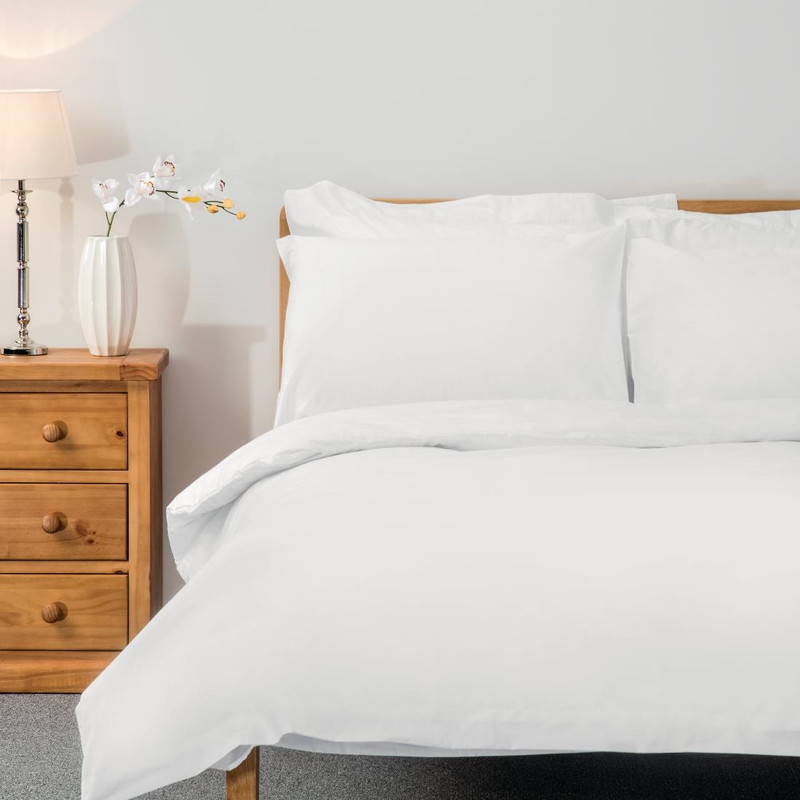
In Kenya’s competitive hospitality sector, the quality of bedding and towels is no longer a secondary consideration—it is a defining factor in guest satisfaction, online reviews, and repeat business. Whether you manage a hotel, operate an Airbnb, or are an individual buyer seeking premium comfort, selecting the right materials and specifications is critical.
Premium fibers such as Egyptian cotton, Turkish cotton, and linen blends offer superior durability, comfort, and long-term value. However, making the right purchasing decision requires a clear understanding of technical factors like thread count, yarn quality, weave type, and towel GSM. This guide provides a practical, procurement-focused approach to help you buy with confidence.
Egyptian cotton is known for its extra-long staple fibers, which produce finer, smoother, and stronger yarns. This results in fabrics that are softer, more durable, and resistant to pilling over time.
Turkish cotton offers an ideal balance between softness and absorbency, making it particularly suitable for towels used in hotels, spas, and beach properties.
Linen blends combine linen fibers with cotton or other materials to enhance usability while maintaining a premium look and feel. These are increasingly popular in boutique and luxury hospitality settings.
Thread count refers to the number of threads per square inch of fabric. While often used as a quality indicator, it should not be considered in isolation.
It is important to note that high thread count with low-quality cotton can result in inferior performance. Always prioritize fiber quality over inflated TC numbers.
The type of yarn used has a direct impact on softness, durability, and overall performance.
The weave determines the feel and performance of the fabric.
For hotels and Airbnb operators, linens must withstand frequent washing without degrading.
GSM is the most important metric for evaluating towel quality, indicating thickness and absorbency.
The yarn construction affects softness and absorbency.
Hotels must balance guest comfort with operational efficiency.
Hotel-grade products use long-staple cotton and higher-quality yarns, while regular retail products often use short-staple fibers.
Professional textiles include reinforced stitching, stronger hems, and tighter weaves designed for industrial use.
Hotel linens are engineered to withstand high-temperature washing and frequent cycles without losing softness or structure.
For procurement managers, consistency across batches is critical to maintaining uniform room standards.
Investing in premium bedding and towels is a strategic decision that directly impacts guest satisfaction, operational efficiency, and brand perception. Egyptian cotton, Turkish cotton, and linen blends provide the ideal balance of luxury, durability, and performance for the Kenyan market.
By focusing on the right technical factors—such as thread count, yarn quality, weave type for linens, and GSM for towels—you can make informed purchasing decisions that deliver long-term value.
Start by evaluating your current standards, request samples from trusted suppliers, and upgrade your textiles to create a superior guest experience that sets your property apart.
Egyptian cotton linens, bath towels, bed sheets & amenities delivered across Kenya & East Africa.
Get a Free Quote →